Unlock greater efficiency in Indonesian poultry farms with the right industrial conveyor systems. Explore best practices for planning, installation, and optimisation.
The poultry industry in Indonesia is rapidly evolving, driven by increasing demand for quality protein and the need for efficient, large-scale farm operations. As commercial poultry farms grow in size and complexity, automation has become essential for maintaining productivity, ensuring product quality, and reducing labour costs. One of the pivotal technologies enabling this transformation is the industrial conveyor system. When implemented correctly, these systems streamline processes such as feeding, egg collection, and waste management, delivering significant operational benefits. In this article, we explore the best practices for adopting industrial conveyor systems in Indonesian poultry farms, offering actionable guidance for farm owners and agribusiness leaders.
Why Industrial Conveyor Systems Matter in Poultry Farming
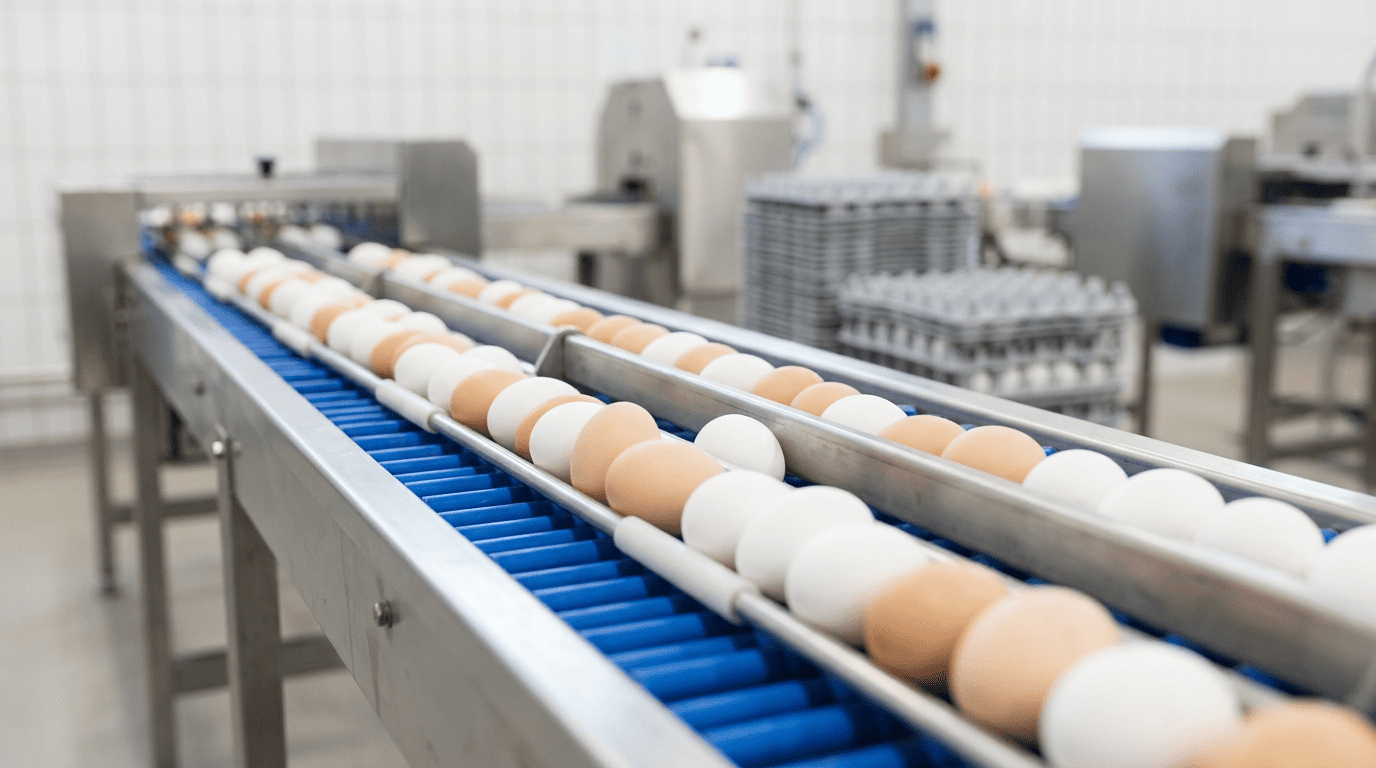
Modern poultry farms face challenges that traditional manual operations struggle to address. Labour shortages, rising costs, and the demand for consistent quality call for solutions that combine efficiency with reliability. Industrial conveyor systems provide automated transport for feed, eggs, and waste, reducing manual handling and minimising risks of contamination or product damage.
Beyond labour savings, conveyors contribute to:
- Consistent and timely feed distribution
- Gentle egg handling to minimise breakage
- Efficient waste removal, supporting biosecurity
- Scalability for growing operations
- Improved working conditions and safety
For commercial farms aiming to compete within Indonesia and across regional markets, upgrading to automated systems is a strategic investment in long-term profitability.
Planning for Conveyor System Implementation
Successful integration of industrial conveyors starts with thorough planning. Each poultry farm has unique requirements based on flock size, housing design, and operational goals. Consider these key steps:
- Needs Assessment: Evaluate the farm’s current workflow, pain points, and future expansion plans.
- System Selection: Choose conveyor types such as belt, chain, or auger systems that are compatible with intended materials including feed, eggs, and manure.
- Layout Design: Map out optimal conveyor routes, ensuring minimal disruption to birds and human movement.
- Capacity Planning: Match conveyor speed and volume to flock size and daily production targets.
- Integration with Other Systems: Ensure compatibility with feeding lines, lighting, climate control, and automation solutions.
Partnering with an experienced equipment manufacturer like Tong Seh can simplify the planning process. Their expertise in custom engineering and farm solution consulting ensures that every conveyor system is tailored for practical efficiency and future growth.
Installation and Commissioning: Minimising Downtime and Maximising Performance
Proper installation is essential for reliable conveyor operation. Poorly installed systems can cause frequent breakdowns, reduced throughput, and even harm to birds or eggs. To ensure a smooth installation and commissioning process, follow these best practices:
- Site Preparation: Prepare housing structures and clear installation paths. Secure mounting points for conveyor supports.
- Professional Assembly: Use qualified technicians familiar with poultry house environments and biosecurity protocols.
- Testing and Calibration: Run conveyors under load, check for smooth movement, and calibrate speed settings.
- Staff Training: Train operators on daily use, basic troubleshooting, and routine maintenance.
- Gradual Integration: Phase in new systems to avoid disrupting ongoing production cycles.
Working with a provider that offers end-to-end support, including OEM manufacturing and onsite commissioning, ensures that installation is efficient and meets strict operational standards.
Optimising Conveyor Operation for Productivity and Longevity
Once operational, regular monitoring and maintenance are critical for maximising the lifespan and reliability of your industrial conveyor system. Consider these ongoing best practices:
- Routine Inspection: Check belts, chains, motors, and moving parts for wear and alignment.
- Scheduled Maintenance: Lubricate bearings, replace worn components, and tighten fasteners according to manufacturer recommendations.
- Cleaning Procedures: Implement cleaning routines to prevent build-up of feed, dust, or manure, supporting both system performance and farm biosecurity.
- Performance Monitoring: Track system uptime, throughput, and power usage to spot inefficiencies early.
- Continuous Improvement: Solicit feedback from staff and adapt operational procedures as needed.
Regular servicing, ideally supported by a reliable equipment partner, prevents costly breakdowns and ensures uninterrupted production. For more on how these systems drive efficiency, see How Industrial Conveyor Systems Improve Efficiency In Poultry Farms.
Integrating Automation and Smart Technology
The future of poultry farming lies in intelligent automation. Modern conveyor systems can be integrated with sensors, smart controls, and data collection platforms to further boost productivity:
- Automated Feed Management: Use sensors to regulate feed delivery, reducing waste and ensuring consistent nutrition.
- Egg Counting and Grading: Pair conveyors with vision systems to automate egg sorting and quality checks.
- Remote Monitoring: Connect conveyors to centralised farm management software for real-time monitoring and remote troubleshooting.
- Energy Efficiency: Implement smart timers and variable-speed drives to optimise energy use.
Adopting these technologies enables Indonesian poultry farms to improve operational efficiency and compete with other major poultry-producing markets in Southeast Asia. For farms considering broader automation, learn more about Industrial Conveyor Systems For Poultry Farms In Indonesia.
Partnering with the Right Equipment Provider
The success of any conveyor system depends not only on the technology, but also on the expertise and support offered by the supplier. Choose a partner with a proven track record in agricultural solutions, such as Tong Seh, who brings over 40 years of experience as a manufacturer and OEM provider. Key advantages include:
- Custom-built equipment tailored to your farm’s needs
- End-to-end consulting, design, and installation services
- Reliable after-sales support and spare parts availability
- Sustainable and practical equipment designs
For farms operating across Asia Pacific, Europe, and Africa, choosing a partner with export experience and a focus on sustainable farming practices is essential for long-term success.
Conclusion
Industrial conveyor systems are no longer a luxury but a necessity for modern poultry farms aiming to boost productivity, reduce labour costs, and ensure consistent quality. By following best practices for planning, installation, optimisation, and automation, Indonesian poultry farms can achieve reliable, scalable, and sustainable operations.
Ready to take your poultry farm to the next level? Explore the benefits of partnering with an experienced equipment manufacturer like Tong Seh to design and implement your next generation of automated solutions.
Transform Your Poultry Farm with Tong Seh’s Conveyor Solutions
Upgrade your poultry operations with advanced industrial conveyor systems designed and manufactured by Tong Seh. Benefit from tailored equipment, expert consultation, and full support from an experienced agricultural equipment partner.
Frequently Asked Questions (FAQs)
What are the main benefits of using industrial conveyor systems in poultry farms?
Industrial conveyor systems automate the transport of feed, eggs, and waste, reducing manual labour, improving efficiency, minimising product damage, and supporting better biosecurity. They help ensure consistent feed distribution and gentle egg handling for commercial poultry operations.
How do I choose the right conveyor system for my poultry farm in Indonesia?
Start by assessing your farm’s size, layout, and operational needs. Consider the material being transported, required capacity, integration with other automation systems, and future expansion plans. Consulting with an experienced equipment provider helps ensure the system matches your requirements.
How can I maintain my industrial conveyor system for optimal performance?
Regular inspection, scheduled maintenance, and thorough cleaning are essential. Check for worn parts, lubricate moving components, and clear any build-up of feed or waste. Follow manufacturer guidelines and train staff in proper operation and basic troubleshooting.
Can conveyor systems be integrated with other poultry farm automation technologies?
Yes, modern conveyor systems can be connected with sensors, automated feeding controls, egg grading equipment, and centralised management software. This integration can improve productivity, enable real-time monitoring, and support data-driven decision-making.
Why should I work with a specialist equipment manufacturer like Tong Seh?
A specialist like Tong Seh offers over 40 years of industry experience, custom-built solutions, consulting and installation support, and after-sales service. Their expertise helps ensure your conveyor system is efficient, durable, and tailored to your farm’s specific requirements.
Disclaimer:
The information provided in this article is for general informational purposes only. Readers are encouraged to consult with a qualified professional or contact Tong Seh for advice and solutions tailored to their specific needs. While we strive to provide accurate and up-to-date information, we cannot guarantee that it is entirely error-free. Tong Seh Industries Supply Sdn Bhd (TSIS) assumes no responsibility for any errors or omissions.