
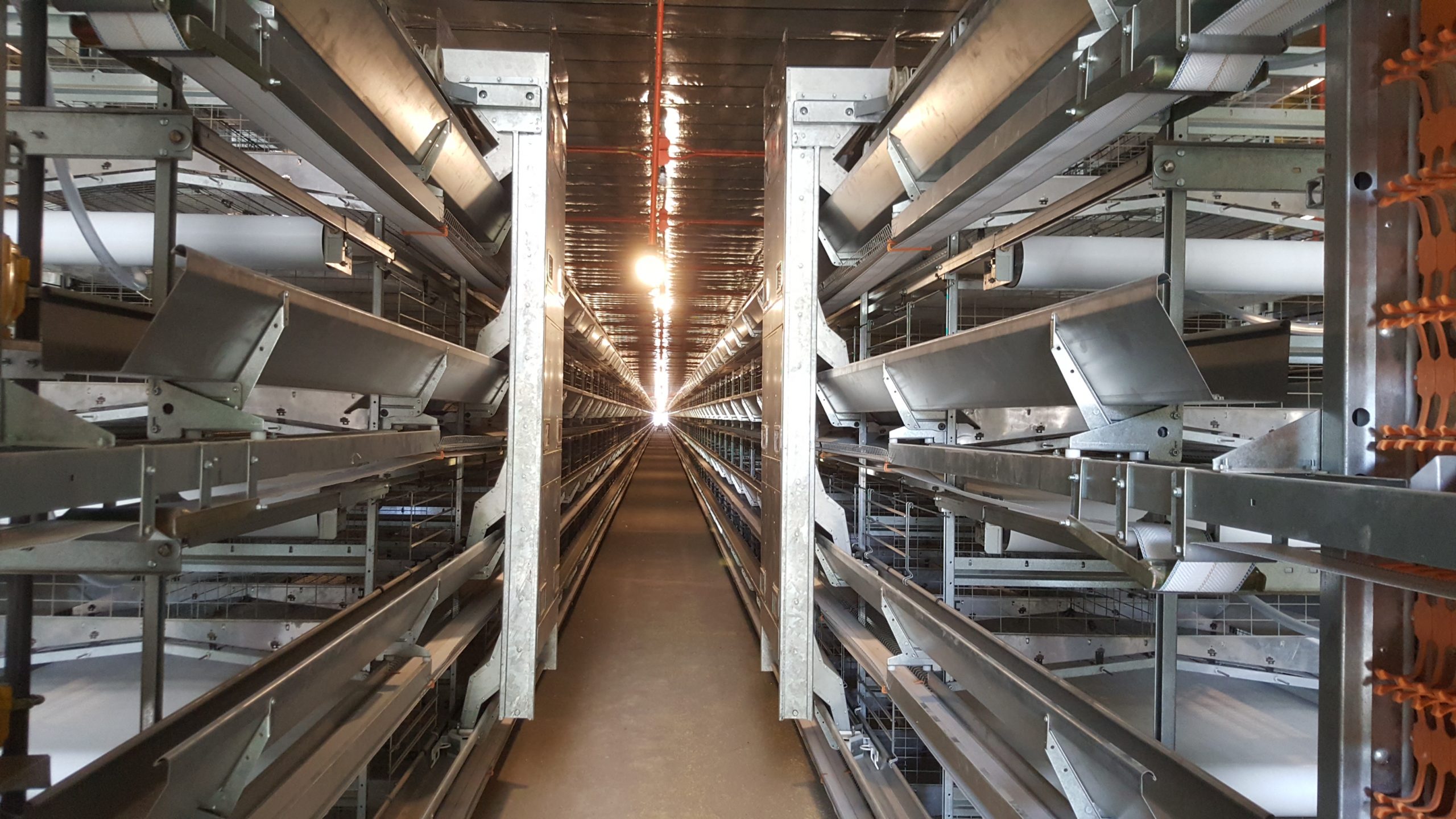
As commercial poultry operations across Taiwan continue to modernise and scale up, advanced farm automation solutions are becoming increasingly important for improving efficiency, productivity, and day-to-day management. Among these, the automatic layer cage system provides a practical solution for egg producers seeking more efficient flock management and scalable poultry housing.
This expert guide explores how to select, implement, and maximise the benefits of automatic layer cage systems for growing poultry operations in Taiwan.
Understanding Automatic Layer Cage Systems
Automatic layer cage systems are engineered to house laying hens in multi-tiered, durable cages while integrating feeding, drinking, egg collection, and waste removal with minimal manual intervention. These systems are designed for commercial farms managing larger flocks and looking to improve labour efficiency, hygiene, and operational consistency.
Unlike traditional floor or manual cage setups, automatic systems use conveyor belts, automated feeders, and centralised egg collection to reduce manual handling and streamline daily operations. For farms experiencing growth or planning expansion, this technology provides a scalable solution that can accommodate increased flock sizes without proportionally increasing labour requirements.
Key Features and Advantages
- Automated Feeding & Watering: Ensures consistent feed and water distribution while helping reduce unnecessary feed wastage.
- Centralised Egg Collection: Moves eggs from the cage rows to designated collection points, reducing manual handling and helping minimise breakage.
- Efficient Waste Management: Belt-driven manure removal systems help maintain cleaner poultry houses and support better hygiene management.
- Space Optimisation: Multi-tier cage configurations make efficient use of available poultry house space and support larger flock capacities.
- Productivity Tracking: Integration with digital monitoring systems can provide useful data on egg production, feed consumption, and flock performance.
For medium to large commercial farms in Taiwan, these features can support more consistent daily operations, improved labour efficiency, and better control over poultry production processes.
Choosing the Right System for Your Farm
Not all automatic layer cage systems are alike. Careful system selection is important for achieving long-term value and ensuring the equipment matches your farm’s current requirements and future expansion plans.
- System Configuration: Evaluate available designs such as A-frame, MBB, or NAF systems. Each configuration offers different advantages in terms of ventilation, maintenance access, capacity, and space utilisation. For a detailed comparison, see MBB Vs A Frame Vs NAF Cage Systems.
- Capacity & Scalability: Select a system that can accommodate your planned flock size and future expansion. Modular configurations can provide greater flexibility when increasing production capacity.
- Durability & Materials: Look for robust, corrosion-resistant construction that can withstand demanding poultry house conditions and regular cleaning.
- Automation Level: Assess the integration of feeding, watering, egg collection, and manure removal systems. Higher automation can reduce manual work but also requires appropriate technical support and maintenance.
- Supplier Support: Consider the supplier’s experience in system design, installation, after-sales service, troubleshooting, and spare parts availability. Technical support is particularly important when operating complex automated equipment.
Working with an experienced poultry equipment manufacturer such as Tong Seh can help poultry producers evaluate their farm layout, production requirements, and automation needs before selecting an appropriate system.
Best Practices for Implementing Automatic Layer Cage Systems
Transitioning to or scaling up an automatic layer cage system requires careful planning and execution. The following practices can help support a smoother implementation:
- Site Preparation: Ensure the poultry house has suitable dimensions, ventilation, electrical infrastructure, and access for equipment installation and maintenance.
- Staff Training: Train farm personnel to operate the automated equipment, identify common issues, and perform basic maintenance.
- Biosecurity Protocols: Maintain appropriate hygiene and disease prevention procedures throughout the poultry house. Automated systems can help reduce unnecessary manual handling, but proper biosecurity practices remain essential.
- Routine Maintenance: Schedule regular inspections of conveyors, motors, sensors, feeders, drinking systems, and other critical components. Replacing worn parts promptly can help prevent unexpected downtime.
- Production Data Monitoring: Monitor egg production, feed consumption, water usage, and other relevant performance indicators to identify operational issues and support better management decisions.
For further insights into automation and labour efficiency, see How Automatic Layer Cage Systems Reduce Labour Costs In Poultry Farms.
Overcoming Common Challenges
While automatic layer cage systems can significantly improve farm efficiency, operators may encounter challenges such as equipment breakdowns, flock adaptation, maintenance requirements, and the need for technical support.
These challenges can be addressed proactively by:
- Partnering with Reliable Suppliers: Work with experienced manufacturers that provide system installation, technical guidance, training, and after-sales support.
- Planning for Redundancy: Consider backup power and maintain essential spare parts for critical equipment to minimise operational interruptions.
- Managing Flock Transition: Allow birds sufficient time to adapt to new housing systems and monitor flock behaviour and production during the transition.
- Continuous Improvement: Review farm performance regularly and consider appropriate automation upgrades as production requirements change.
Understanding the differences between automated and traditional systems can also help poultry producers make more informed investment decisions. For a direct comparison, read Automatic Layer Cage Systems And Traditional Cage Systems: Which Is More Efficient?
Future-Proofing Your Poultry Operation
Investing in an automatic layer cage system is not only about improving current farm efficiency. It can also provide a foundation for future expansion and more data-driven poultry management.
As poultry producers face changing labour requirements, increasing production demands, and greater attention to farm hygiene and resource efficiency, automation can help create more consistent and manageable production processes.
Technologies such as digital monitoring, IoT-enabled farm management, automated environmental controls, and integrated manure management are contributing to the development of increasingly connected poultry farms. Selecting equipment that can accommodate future upgrades can help operators maximise the long-term value of their investment.
Evaluating Automation Readiness
Before investing in an automatic layer cage system, poultry producers should evaluate several aspects of their existing operation:
- Assess Current Operations: Review your poultry house layout, flock size, workflow, labour requirements, and current operational challenges.
- Budget Planning: Consider equipment costs alongside installation, maintenance, energy consumption, spare parts, and potential labour savings.
- Infrastructure Compatibility: Check whether existing poultry houses, electrical systems, ventilation, and other infrastructure can support the proposed equipment.
- Local Requirements: Review applicable poultry farming, animal welfare, environmental, and biosecurity requirements in Taiwan.
- Staff Engagement: Involve farm personnel during planning and provide appropriate training before commissioning the new system.
- Supplier Evaluation: Compare suppliers based on engineering capabilities, installation experience, warranty coverage, spare parts availability, and technical support.
Conclusion
Automatic layer cage systems provide commercial poultry farms with a scalable approach to feeding, watering, egg collection, manure removal, and flock management. For growing poultry operations in Taiwan, selecting the appropriate system configuration and automation level is essential for achieving reliable long-term performance.
By assessing farm capacity, infrastructure, production requirements, maintenance needs, and future expansion plans, poultry producers can make better-informed automation decisions. Working with an experienced poultry equipment manufacturer such as Tong Seh can also provide access to system design, manufacturing expertise, installation support, and customised poultry farm solutions.
Upgrade Your Poultry Operation with Tong Seh
Ready to improve your egg production operation with advanced automation? Partner with Tong Seh for tailored automatic layer cage systems, poultry equipment, engineering support, and farm automation solutions.
With decades of experience in poultry equipment manufacturing, Tong Seh can help poultry producers evaluate their requirements and develop equipment solutions suited to their farm layout, flock capacity, and production goals.
Frequently Asked Questions (FAQs)
How do automatic layer cage systems improve farm productivity?
Automatic systems streamline feeding, watering, egg collection, and manure removal. This can reduce manual labour, improve workflow consistency, minimise unnecessary egg handling, and help farm operators manage larger flocks more efficiently.
What should I consider when choosing an automatic layer cage system in Taiwan?
Consider your flock capacity, poultry house dimensions, system configuration, automation requirements, equipment materials, ventilation, maintenance needs, future expansion plans, and the supplier’s installation and technical support capabilities.
Are automatic layer cage systems suitable for poultry farms in Taiwan?
Yes, automatic layer cage systems can be suitable for commercial poultry farms in Taiwan when the cage configuration, ventilation, equipment materials, and automation components are properly matched to the farm’s building conditions and production requirements.
How can I ensure a smooth transition to an automatic layer cage system?
Prepare the poultry house and utilities before installation, train farm personnel, establish maintenance procedures, strengthen biosecurity practices, and monitor flock performance closely during the transition to automated equipment.
Can an existing poultry farm be redesigned for automated equipment?
Yes. Existing farms can be assessed for cage configuration, house dimensions, infrastructure and equipment compatibility before upgrading. The required changes will depend on the current layout and the automation systems being introduced.
Disclaimer:
The information provided in this article is for general informational purposes only. Readers are encouraged to consult with a qualified professional or contact Tong Seh for advice and solutions tailored to their specific needs. While we strive to provide accurate and up-to-date information, we cannot guarantee that it is entirely error-free. Tong Seh Industries Supply Sdn Bhd (TSIS) assumes no responsibility for any errors or omissions.