
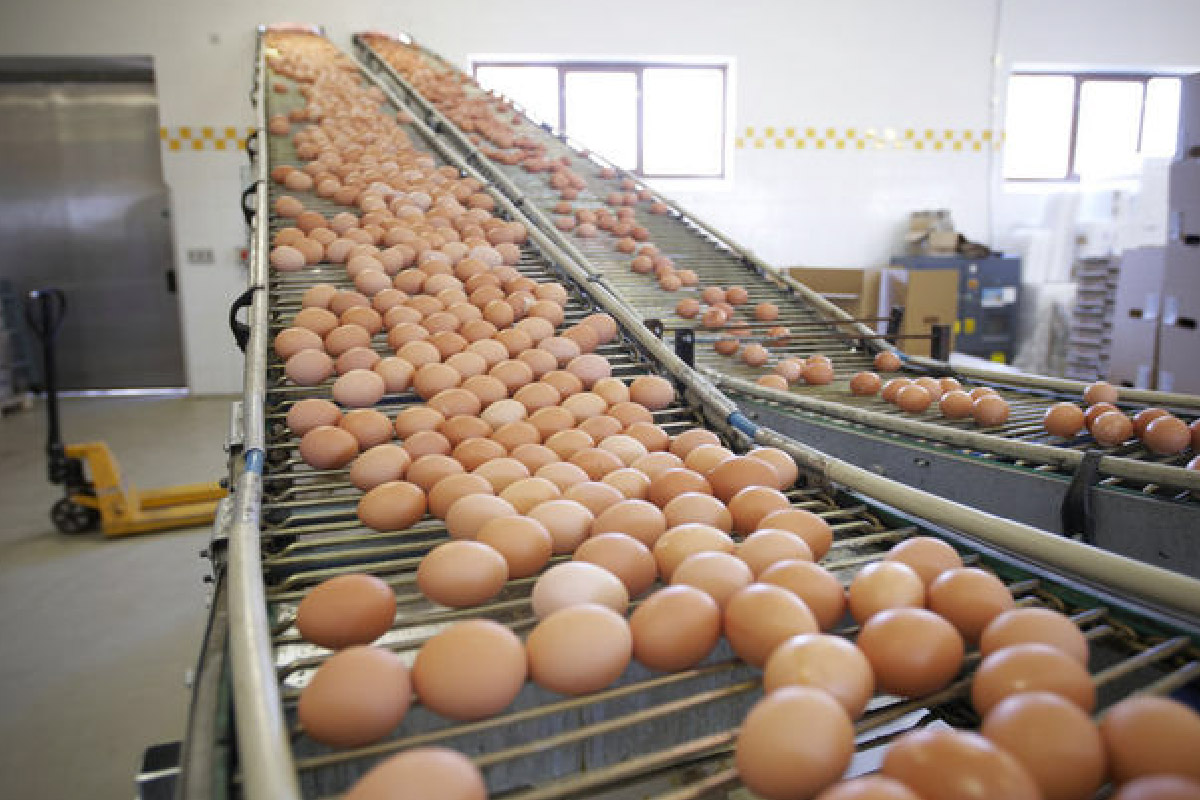
Selecting an industrial conveyor system is a major investment, whether you manage a poultry farm, food processing facility, or industrial production line. Choosing the wrong system can lead to frequent breakdowns, hygiene issues, wasted feed or materials, and long-term maintenance costs that far exceed the initial purchase price.
For many first-time buyers, the challenge is not finding a conveyor but knowing what to ask before making a decision. This guide covers the 7 most important questions that will help you avoid costly mistakes and ensure your conveyor supports your operation for years to come.
1. What Is the Main Purpose of the Conveyor in Your Operation?
A properly selected conveyor must match the task required. Common uses include:
- Feed movement in poultry houses
- Egg collection and transport
- Manure removal beneath layer cages
- Material handling for food or industrial production
- Transfer between manufacturing stages
A conveyor designed for one application may not work well in another. For example, a belt conveyor suitable for moving packaged items may not be suitable for carrying granular feed or manure.
Create a simple specification list, including:
- Type of material (eggs, feed, manure, components)
- Capacity required
- Operating hours per day
- Required belt/chain speed
- Flow direction or elevation changes
A clear specification helps equipment suppliers recommend a system that fits your needs accurately.
2. What Type of Conveyor System Suits Your Environment?
Environmental conditions strongly influence conveyor performance and lifespan.
Common conveyor types include:
- Belt conveyors
- Chain conveyors
- Roller conveyors
- Screw/auger conveyors (e.g., feed transfer systems)
- Manure belt conveyor systems
When selecting a conveyor, evaluate:
- Humidity and moisture exposure
- Presence of dust, feathers, organic waste
- Required hygiene and cleaning frequency
- Temperature variations
- Corrosive gases such as ammonia (common in poultry houses)
3. What Materials Should the Conveyor Be Made Of?
The conveyor’s construction material determines durability and hygiene performance.
Suitable options include:
- Stainless steel: Excellent for high-hygiene environments and corrosion resistance.
- Galvanised steel: Widely used in poultry equipment as it offers better rust resistance than mild steel.
- PVC or rubber belts: Suitable for light to medium-duty applications.
- Food-grade plastics: Used in specific agricultural or food handling systems.
TSIS typically uses galvanised steel in poultry equipment such as feed troughs, silos, and cage structures due to its durability and cost-effectiveness in humid environments.
However, buyers should confirm the exact material of each conveyor model, as construction differs based on application (eggs, feed, manure, or industrial use).
4. What Is the Total Cost of Ownership?
A low purchase price does not always mean long-term savings.
Consider all ongoing costs, including:
- Energy consumption
- Belt or chain replacement frequency
- Spare parts cost and availability
- Routine maintenance requirements
- Expected service lifespan
- Downtime due to breakdowns
- Labour time needed for cleaning
A reliable supplier should offer a realistic view of both upfront and ongoing costs.
5. How Easily Can the Conveyor Be Maintained?
Maintenance access and parts availability directly affect uptime.
Ask the supplier:
- Are moving parts easy to access?
- How quickly can belts, chains, or motors be replaced?
- Is a clear maintenance schedule provided?
- How often should lubrication or tension adjustments be performed?
- Are spare parts stocked locally in Malaysia?
In poultry environments, easy cleaning is particularly important, especially for conveyors used for egg collection or manure handling.
6. Does the Conveyor Integrate Well with Your Existing System?
A conveyor must work smoothly with your current equipment to avoid bottlenecks.
Check for compatibility with:
- Existing cage systems or production lines
- Automated feeding systems
- Silo discharge and feed transfer lines
- Manure collection systems
- Control panels and electrical supply
- Building layout and available space
7. Is the Supplier Experienced and Reliable?
A conveyor is only as dependable as the supplier and installer behind it.
Before purchasing, check:
- Industry experience
- Local installations and case studies
- Warranty terms
- Availability of service support
- Customisation capability
- Technical knowledge of your specific sector
Tong Seh Industries Supply (TSIS) is known for supplying poultry automation equipment such as egg conveyors, egg elevators, manure belt systems, feeding systems, and farm accessories.
Common Mistakes First-Time Conveyor Buyers Make
Avoid these costly errors:
- Choosing based only on price
- Buying a conveyor unsuited to the working environment
- Overlooking maintenance access
- Not checking material specifications
- Ignoring future expansion plans
- Purchasing from suppliers without technical support
- Forgetting to confirm spare parts availability
Avoiding these mistakes protects your investment and system reliability.
Final Checklist Before You Buy
Before selecting a conveyor system, ensure you can answer:
- What is the exact purpose of the conveyor?
- Which conveyor type suits your environment?
- What material should the conveyor be made from?
- What is the total cost of ownership?
- How easy is the conveyor to maintain?
- Will it integrate with your existing equipment?
- Is the supplier experienced and reliable?
If the answer to each question is clear, you are ready to proceed confidently.
Conclusion
A well-chosen conveyor system improves efficiency, reduces labour costs, enhances hygiene, and supports long-term productivity. Taking the time to assess your needs and asking the right questions will help you avoid costly mistakes.
Working with an experienced supplier such as Tong Seh Industries Supply (TSIS) gives you access to equipment designed for poultry farms and industrial environments, supported by reliable after-sales service.
Disclaimer:
The information provided in this article is for general informational purposes only. Readers are encouraged to consult with a qualified professional or contact Tong Seh for advice and solutions tailored to their specific needs. While we strive to provide accurate and up-to-date information, we cannot guarantee that it is entirely error-free. Tong Seh Industries Supply Sdn Bhd (TSIS) assumes no responsibility for any errors or omissions.